Bridges and Tunnels
Reframe Your Journey

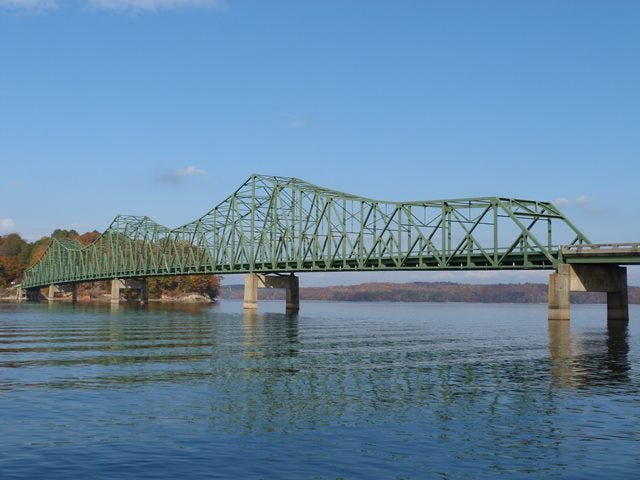
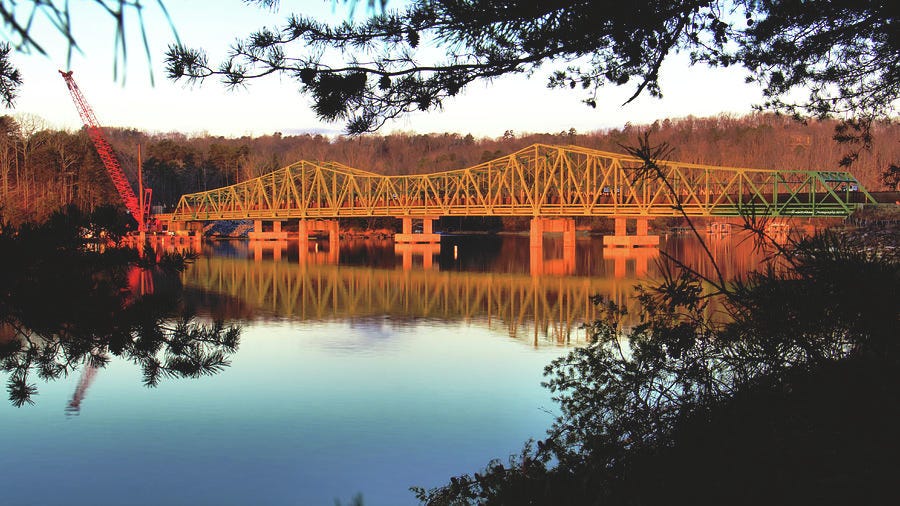
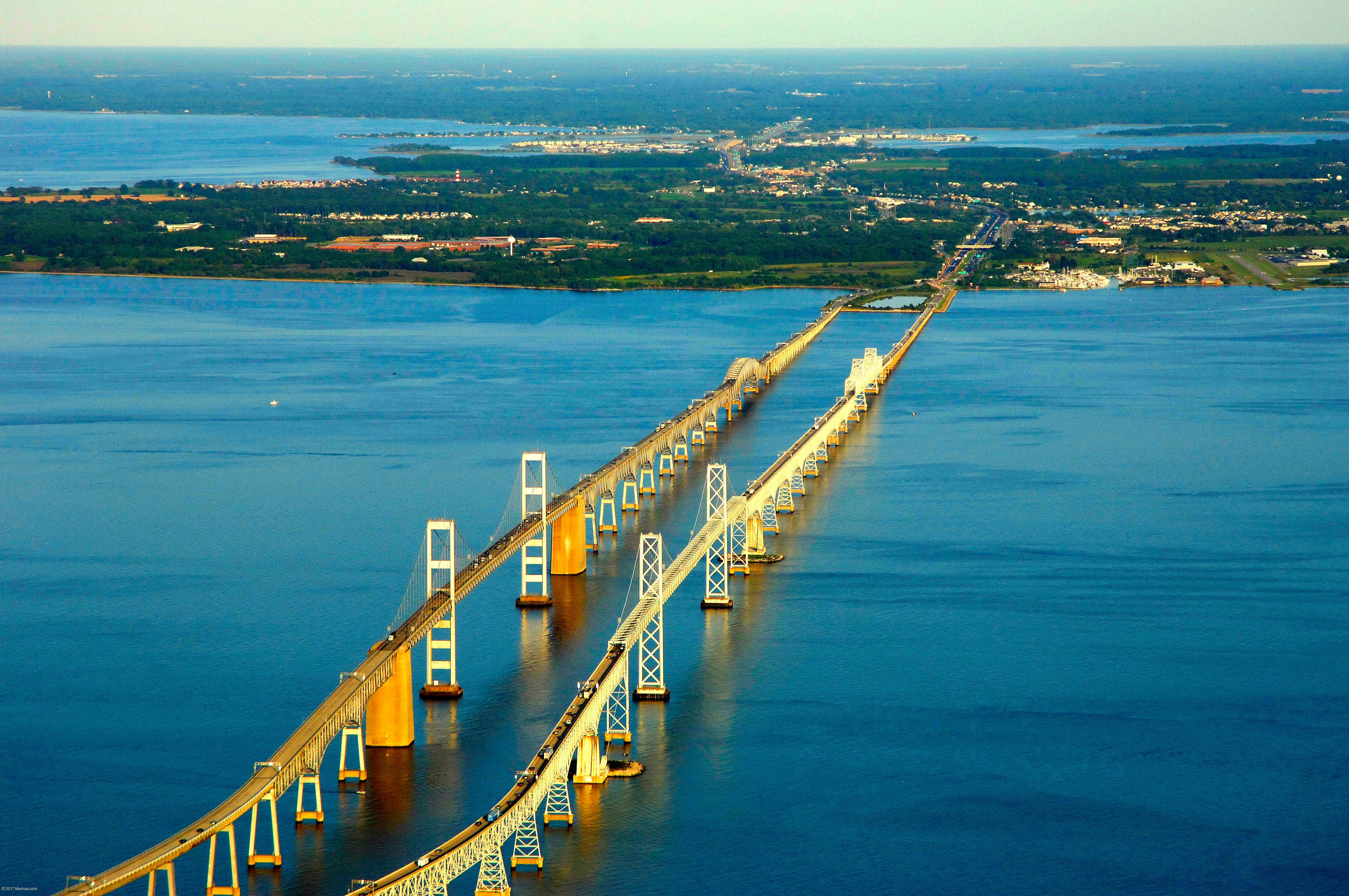
If I close my eyes, I can still see the sights and hear the car tires on the first bridge I remember crossing as a kid. It was one of the many bridges in my hometown that crossed Lake Lanier and the Chattahoochee River, flowing into and out of the lake on it’s journey from the Appalachian Mountains in North Georgia to the capital city of Atlanta and beyond. Mama was always nervous about bridges and tried holding her breath every time we crossed one. But I loved the thrill of crossing the bridge over the lake and river, taking us to our destination on the other side. Fast forward 20+ years, when Mama came to visit me in Washington D.C., when I took her across the Chesapeake Bay Bridge leading from Annapolis Maryland to the Eastern Shore, she was still nervous about crossing bridges. But this one she couldn’t hold her breath the whole way because it is roughly 4.3 miles long and takes about 4-7 minutes to cross in normal traffic. She closed her eyes most of the time, even though I kept encouraging her to look at the beautiful view.
I still as an adult get the same excitement of crossing a bridge, admiring the beauty of the view, the unique and sturdy architecture of the bridge that carries us across the obstacle below to reach our destination on the other side. And it isn’t just bridges that help us navigate safely to our destination over obstacles. Sometimes, the best way beyond an obstacle to reach our destination is underneath or through the obstacle itself.
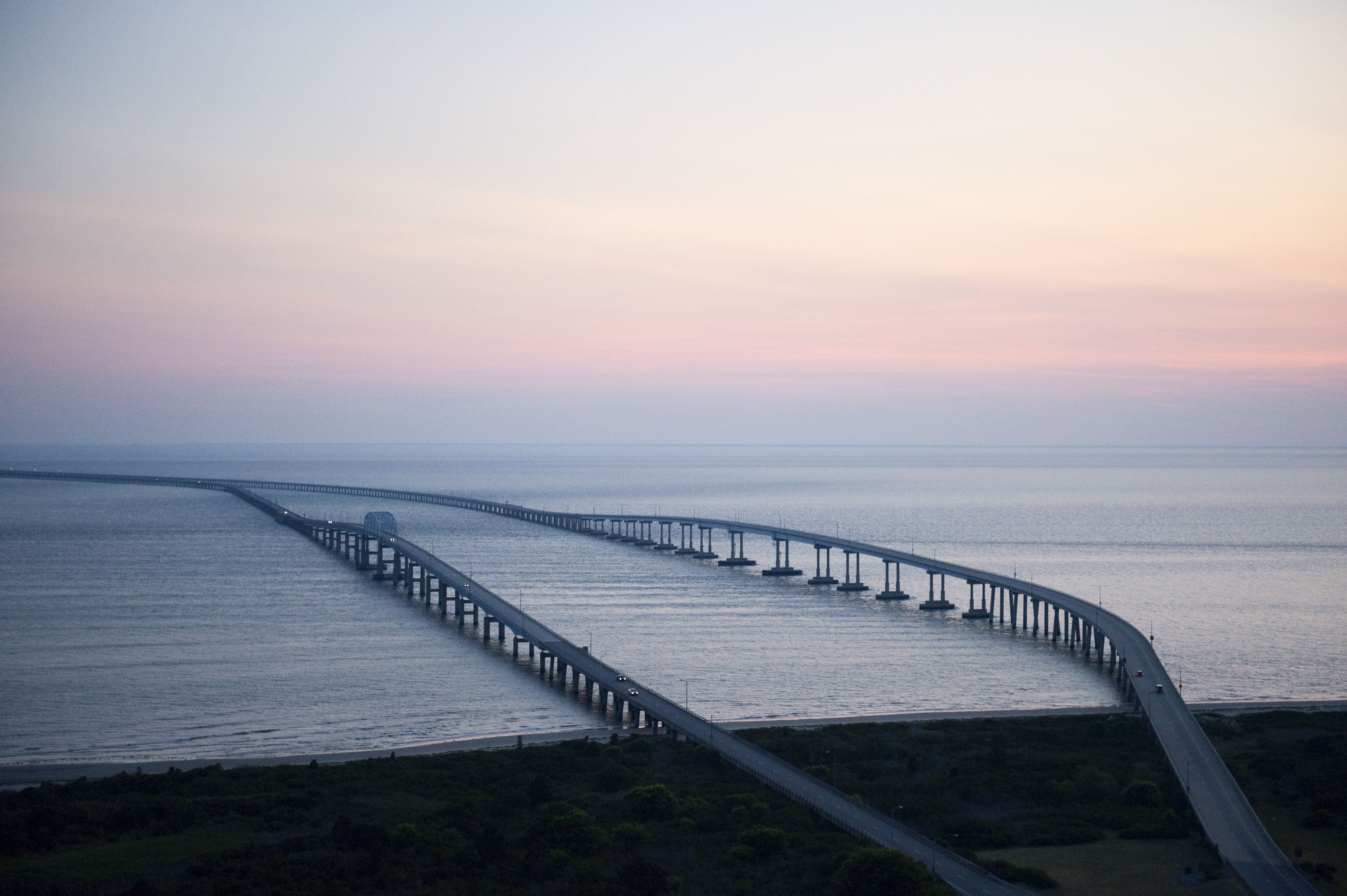
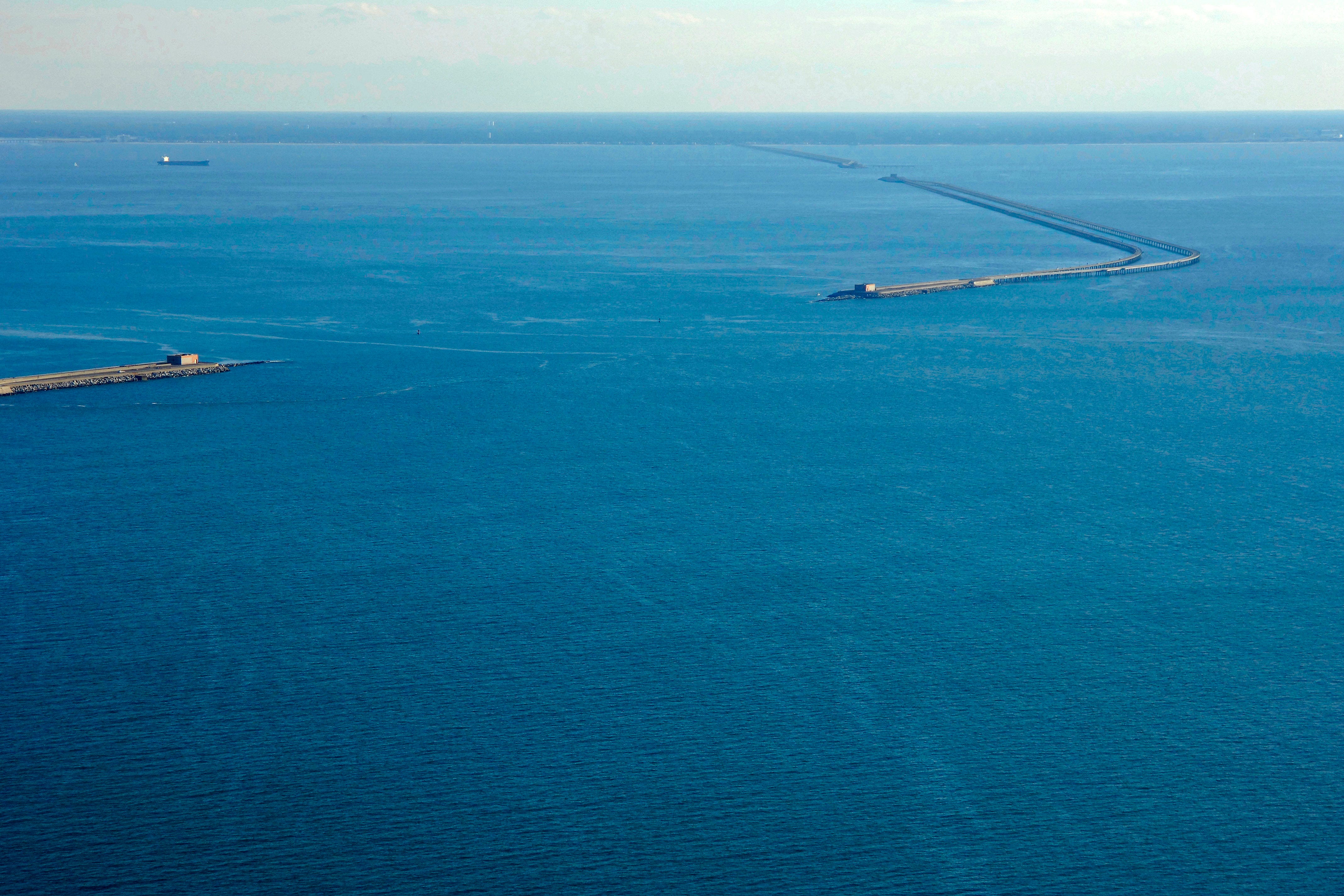
When you need to go underneath or through an obstacle, a tunnel is best suited instead of a bridge. I can’t remember when I first went through a tunnel. But there are many tunnels I remember now from my travels in adulthood. One specific combination tunnel and bridge complex isn’t too far from me now. The Chesapeake Bay Bridge-Tunnel in the Tidewater region of Virginia. It is 17.6 miles long (23 miles including approach roads) and takes approximately 23 minutes to drive. It is made up of several connected bridges and tunnels. The bridges are low towards the water, but the tunnels are included at the mouth of the bay allowing openings for large ships to enter and exit the bay. This allows the automobiles to get to their destination by going underneath the bay, and allows the ships to get to their destination by going over top of the tunnel carrying the automobiles across the bay. Then, sometimes, the most direct way to a destination is directly through the obstacle itself.
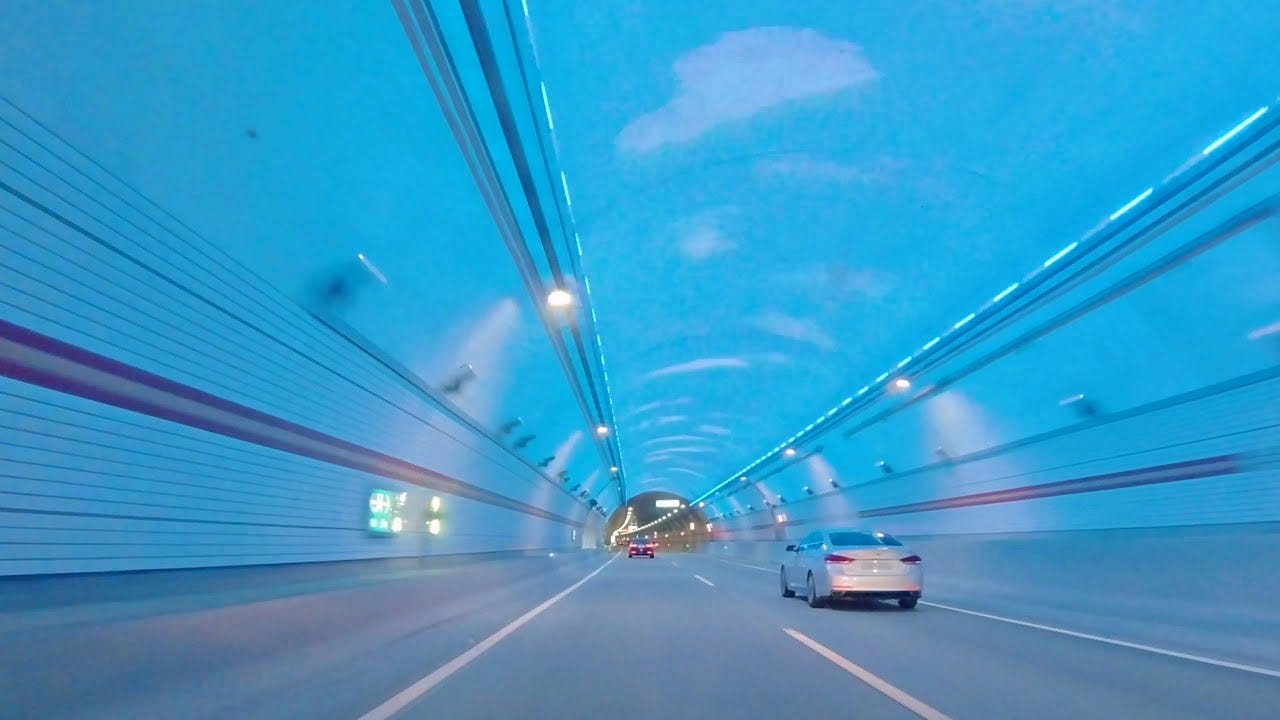
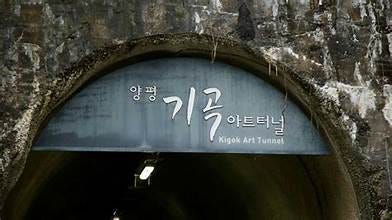
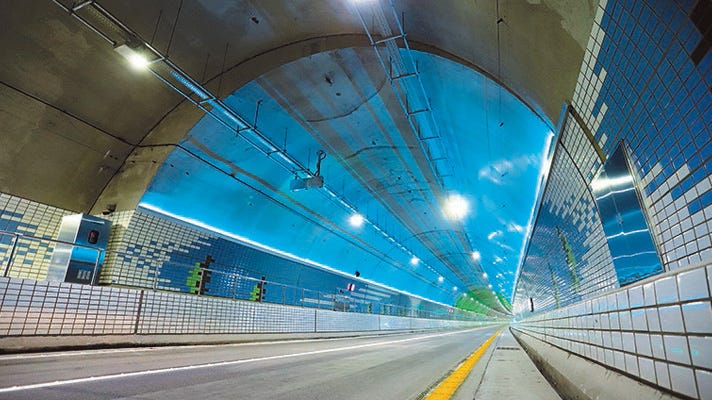
When I think of tunnels in roads and train lines, I think of South Korea. The entire country is majority mountains. And to travel by car or train, it would take much longer to reach your destination if you had to go over or around each mountain. Therefore, the engineers built many tunnels to quickly take automobiles and trains through the mountains and to their destination safely.
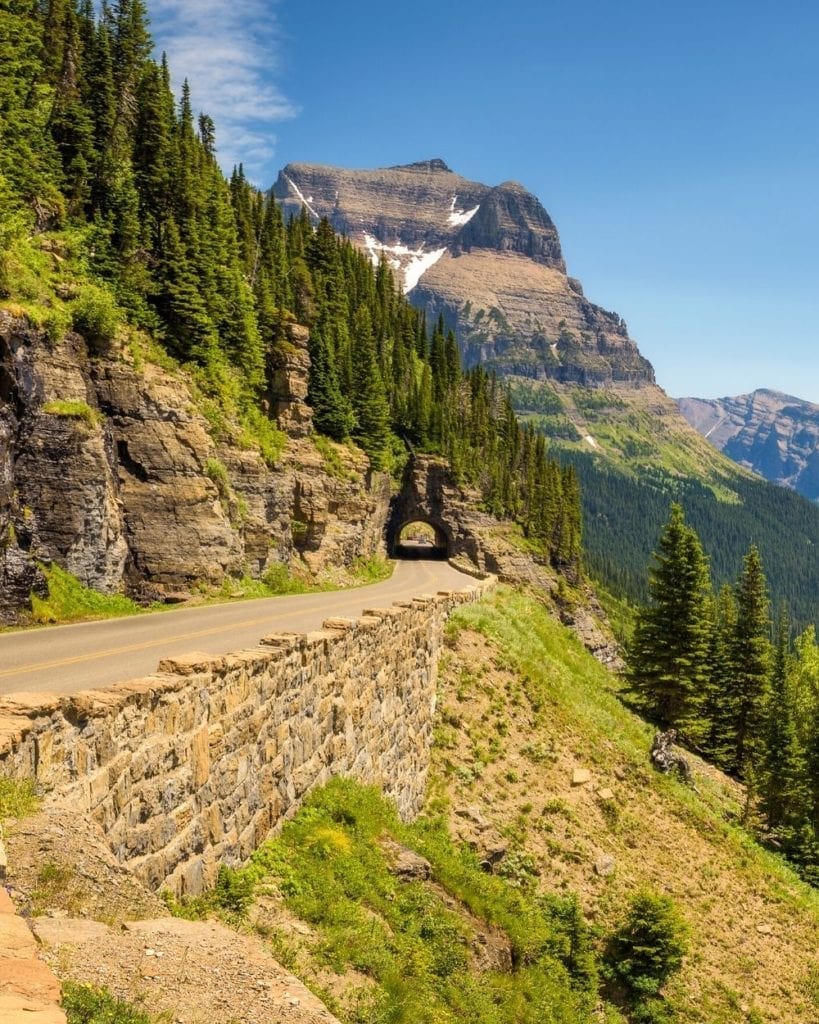
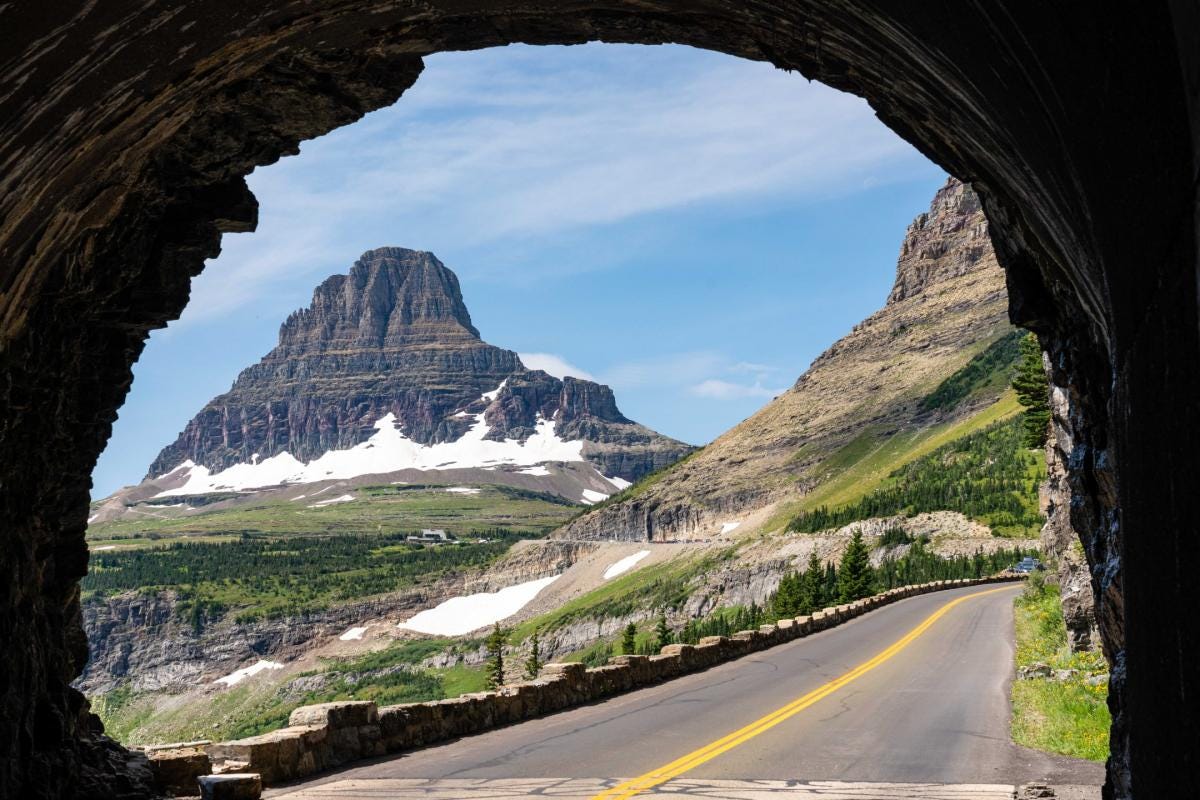
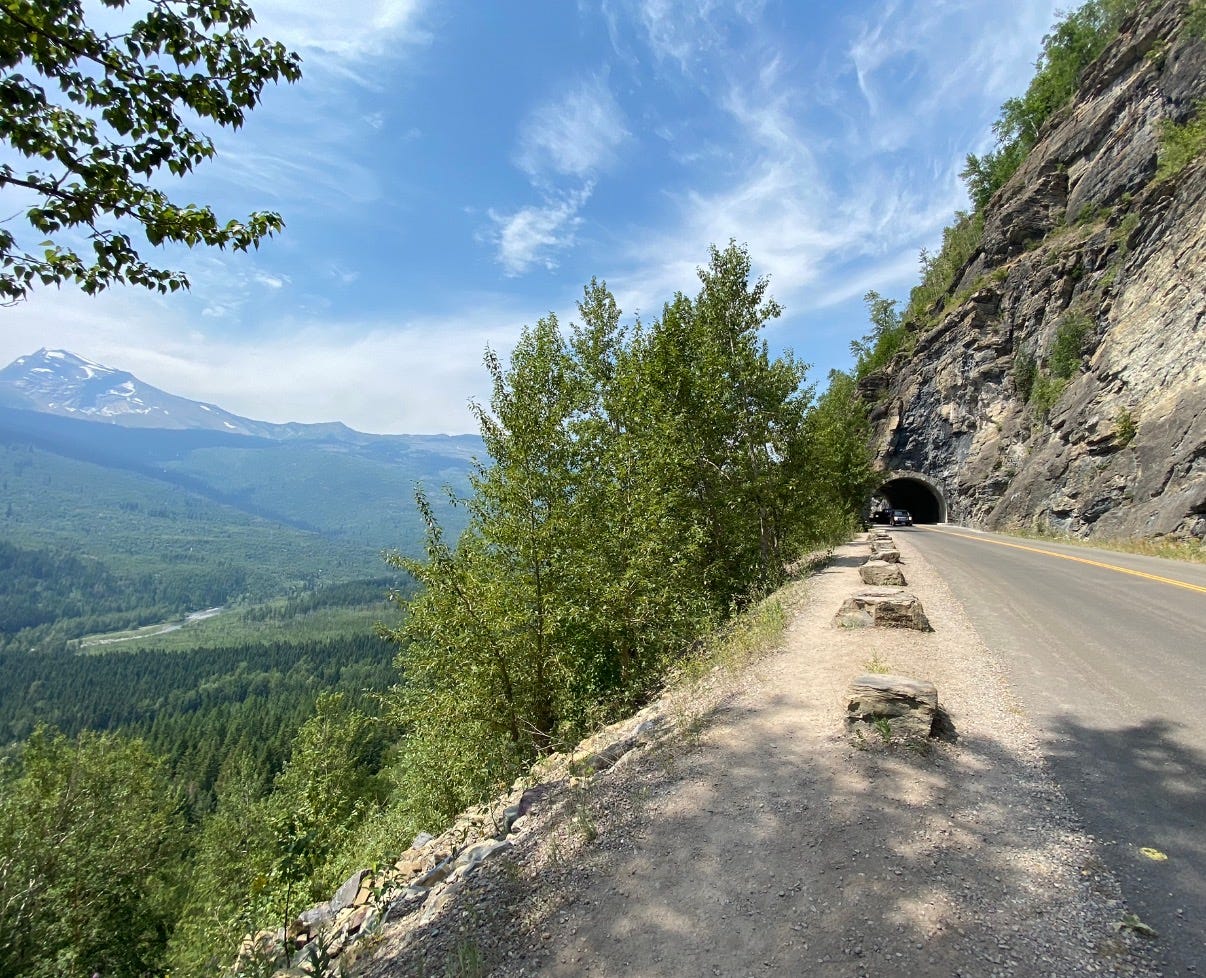
Another favorite road of mine with some small bridges and tunnels is the Going to the Sun Road in Glacier National Park. It is a 50-mile meticulously engineered and built road traversing the Continental Divide. The road opened in 1933 and includes several bridges and tunnels built to blend into the dramatic landscape with minimal switchbacks, navigating the rugged, sheer mountain landscape. It is a breathtaking drive taking you across majestic mountains and valleys, over and through obstacles to not only help you reach your destination, but to enjoy the beauty of the journey itself. For example, Loop Creek Bridge supports the road as it makes a dizzying 180-degree turn over a steep forested canyon. And the West Side Tunnel bored through 192 feet of sheer mountain, contains window ports blasted out of the rockface, offering drivers a breathtaking framed view of the vista. Yes, I love bridges and tunnels because they not only help us to go over, under, or through obstacles to reach our destination, they also are designed to help us appreciate the beauty of the journey itself.
So, why all this talk of bridges and tunnels? Well, I’m glad you asked. We are all on different journeys in our careers and personal lives. And in those journeys, we encounter obstacles and barriers to getting to our destination and achieving our goals. I’ve talked about the concept of cognitive reframing before. But for those who need a bit of refresher, cognitive reframing, in simplest terms is a technique to identify, challenge, and alter unhelpful thought patterns. Or in other words, cognitive reframing is a technique used to shift your mindset so you’re able to look at a situation, person, or relationship from a slightly different perspective. One thing that has helped me and some of my coaching clients in the past to engage in cognitive reframing is a simple exercise. Consider a physical object in context of the obstacle or challenge between you and your destination (goal). It could be any object that you feel a connection to or affinity for in some way and find pleasure in observing. I’ve had coaching clients consider a piece of artwork in the office in context of their problem or challenges they are looking to solve or overcome. In another workshop a coaching facilitator had a participant select an object from a small group of items, and they chose a blue toy car. By focusing on the car in context of their situation, including turning and placing the object (car) in different positions and locations in the room, the participant discovered new reframed thoughts and perspectives they hadn’t thought of before.
I recently started thinking of my own journey and challenges in context of bridges and tunnels to help with cognitive reframing for myself on how to approach moving beyond certain challenges. Likewise, I present these concepts to you and recommend considering bridges and tunnels in context of your own career and personal journeys to your destination goals and the obstacles that you see in the way. Are these obstacles that are better suited to go over them, under them, or directly through them? Depending on what approach you feel is best suited for these obstacles, what materials do you need to build your bridges and tunnels to traverse them and reach your destination? Or do you need a combination of bridges and tunnels like the one I mentioned above in Virginia? And where do you need to go over vs. going under or through an obstacle? Also, how might the bridge or tunnel be constructed in such a way that you have an inspirational view of the journey itself? Some bridges and tunnels are simple and not fancy or complex, getting us to our destination quickly. For longer journeys across, under, or through an obstacle, the bridges and tunnels are more complex designs and aesthetically pleasing to the traveler as they make the journey to their destination. Think about the destination and goals you have for your career and life and the obstacles and challenges along the path in context of bridges and tunnels. Which do you think best meets the need to move beyond the challenge and reach your destination? What would be needed to make the journey beyond the challenges pleasing to the senses? I know this one takes a bit more curiosity, creativity, and imagination.
But I encourage you to consider it with your current journeys towards career and life goals. Where would a bridge serve you best to go over a challenge? Is it a simple short bridge or will it be a longer bridge that takes more time to cross? If longer, how can you design it to be pleasing to you and help you enjoy the journey itself? If you need to go under or through an obstacle and challenge and are best suited for a tunnel, ask yourself the same questions. Is it a simple or short tunnel or will it be a longer tunnel and take more time? What would make the journey through the longer tunnel more enjoyable and appealing and keep you focused on the destination ahead while enjoying the journey?
We all have journeys where we need to find a way to move beyond the obstacles to reach our destination and goals. Consider those journeys and obstacles in context of bridges and tunnels, which serve you best in your journey, how they are designed, built, and their length, and how they may be designed to help you enjoy the journey itself to your destination and goals. May you find new perspectives and a cognitive reframing that inspires and helps you on your journey. And may your bridges and tunnels be beautiful as well as effective and efficient in taking you to your destination and achieving your goals, because as always, Your Story Matters.